



 12:37 2026-05-28
We are used to seeing trees as a static green background. Yet, evolution sometimes creates true botanical anomalies. Around the world, plants break the rules of physics, engineering, and geometry to survive extreme conditions. They turn into giant water tanks, change bark color like impressionist canvases, and grow fruit directly on trunks. Trees are not just oxygen sources. They are living chronicles of the Earth, capable of outliving entire empires.
 336
336 8
8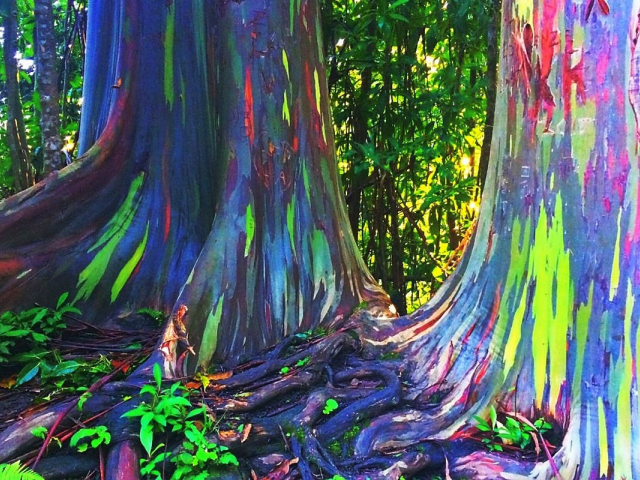
Ancient giants of planet
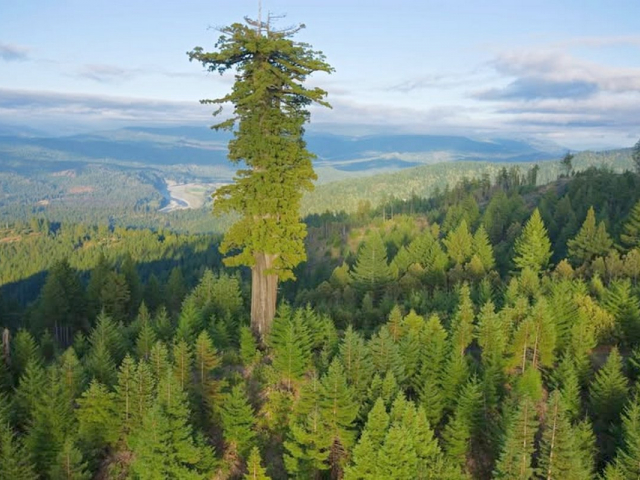
These giants of the Sierra Nevada are the peak of plant longevity. The oldest Californian giant sequoias exceed 3,000 years of age. They were already alive during the heyday of Ancient Greece. Trees reach heights of 100 meters and trunk diameters of 12 meters. Their secret of near‑immortality is a fireproof fibrous bark up to 60 centimeters thick. It is rich in tannins that protect the tree from wildfires, insects, and rot. Sequoias are eternal, silent guardians that form their own isolated ecosystems.
Living impressionist canvas
In the rainforests of the Philippines and Indonesia grows a tree whose trunk looks like an artist’s palette. The rainbow eucalyptus constantly sheds its bark in thin strips. The newly exposed layer is bright green. Over time, exposure to air and sun darkens that layer, changing the trunk to blue, then purple, then burgundy and orange. Because the bark peels unevenly, the trunk is always decorated with a unique bright camouflage. This natural masterpiece can grow up to three meters a year.
Bleeding umbrella of desert
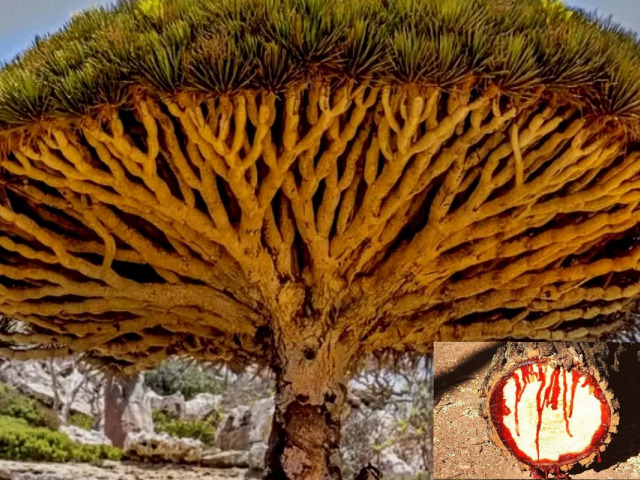
On the rocky island of Socotra grows the dragon’s blood tree, Dracaena cinnabari. It resembles an inverted umbrella or a giant mushroom. Its dense crown perfectly captures moisture from morning mists, channeling drops to the roots and avoiding the drying sun. But the tree’s global fame comes from its sap. When the bark is cut, it yields a thick, blood‑red resin. In antiquity, people called it "dragon's blood." They prized it as medicine, incense, and a durable varnish for Stradivari violins.
Tree that pretends to be forest
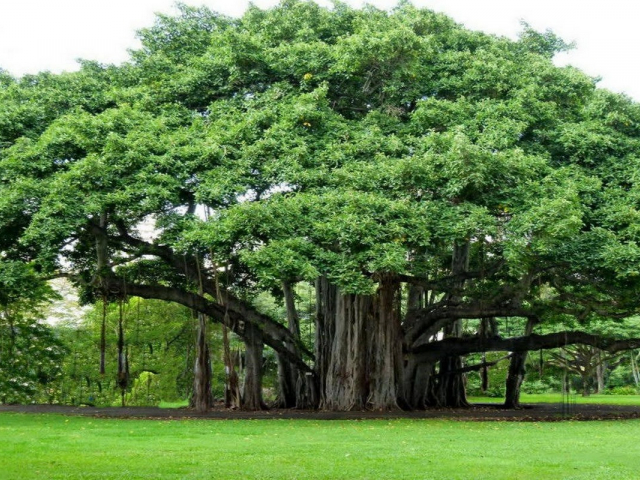
In India, a fig grows that is easy to mistake for a huge shaded forest covering two football fields. In fact, it is one giant tree. The banyan sends aerial roots from its branches down to the ground. Those roots take hold and become powerful prop trunks. The Great Banyan has more than 3,000 such “legs.” The original central trunk was removed long ago because of disease, yet the tree continues to expand outward, creating a unique, autonomous biome for birds.
Green angel of death
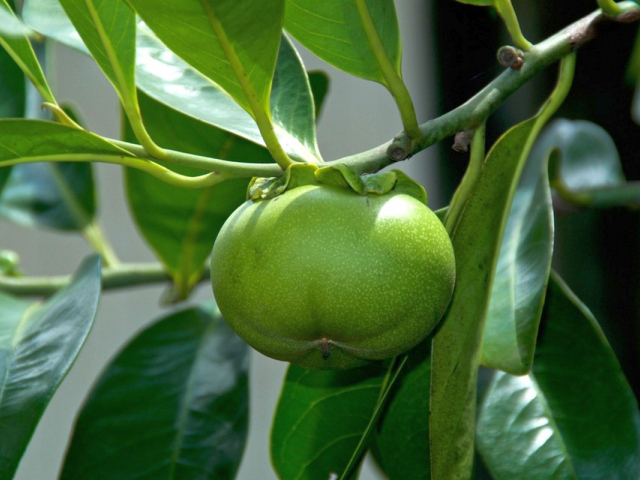
The manchineel of the Caribbean coast is officially the green angel of death and the most poisonous tree on Earth. Its fruits look like tempting apples, but a single bite causes fatal swelling of the larynx. The whole plant is toxic: the milky sap contains phorbol. In rain, drops running off the leaves cause severe chemical burns on skin. Even smoke from burning manchineel wood blinds, providing the tree with ultimate protection against herbivores.
Fruiting surrealism on trunk
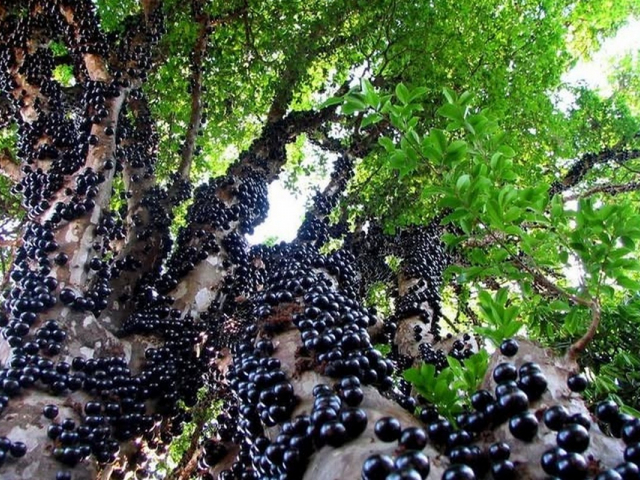
The Brazilian jaboticaba overturns familiar ideas of fruiting. Its glossy dark purple fruits, tasting like grapes, grow directly on the main trunk and thick branches rather than on twigs. This rare trait is called cauliflory. At harvest, the tree looks as if it is covered in exotic caviar. Evolution created this trick so heavy tropical animals that disperse the seeds can reach the juicy flesh easily from the ground.
Natural reservoirs of dry regions
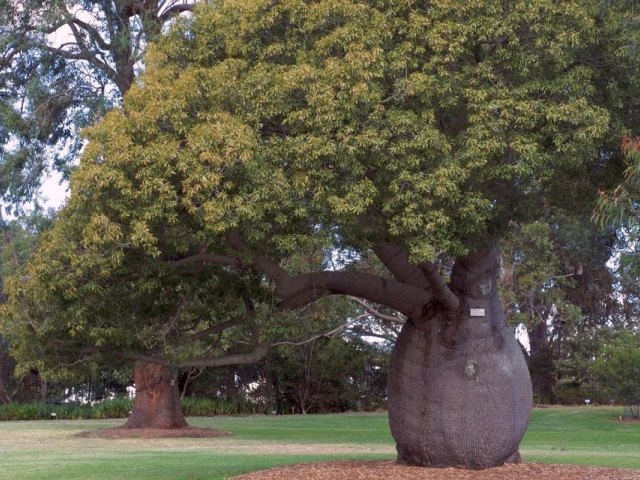
The Australian brachychiton and the African baobab evolved a unique trunk shape that looks like a swollen jug. This is a strict evolutionary adaptation to months of drought. The bulging lower trunk is a natural reservoir, filled not with dense wood but with spongy tissue. It soaks up moisture in the rainy season and holds it for months. During drought, the tree drops leaves and slims down, while the greenish bark continues to photosynthesize, saving the plant and animals from thirst.
Tropical culinary miracle
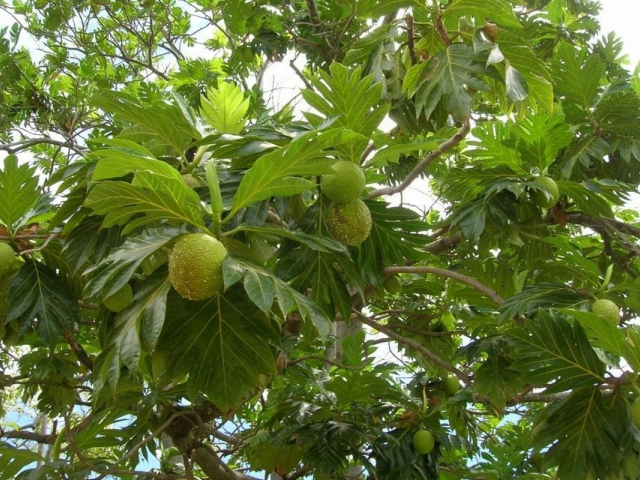
The tropical breadfruit tree is a real lifeline in Oceania. Its massive, round fruits can weigh up to five kilograms and are rich in starch. The culinary miracle happens during cooking: when an underripe fruit is roasted on coals, its texture, aroma, and taste become astonishingly similar to fresh wheat bread or potato. A single tree can fruit reliably for up to 70 years, giving hundreds of fruits each season and saving millions of people from hunger.


-
Grand Choice
Contest by
InstaForexInstaForex always strives to help you
fulfill your biggest dreams.JOIN CONTEST -
Chancy DepositDeposit your account with $3,000 and get $1000 more!
In June we raffle $1000 within the Chancy Deposit campaign!
Get a chance to win by depositing $3,000 to a trading account. Having fulfilled this condition, you become a campaign participant.JOIN CONTEST -
Trade Wise, Win DeviceTop up your account with at least $500, sign up for the contest, and get a chance to win mobile devices.JOIN CONTEST


